


There are territories that one visits. And territories that one understands.
Friuli Venezia Giulia belongs to the second category.
Here the experience is not an “extra” to be added to the program: it is the heart of the journey. It is the direct encounter with those who produce, with those who cherish memory, with those who inhabit the landscape every day. To talk about experiences in FVG is to talk about authentic relationships, built with method and awareness.
Not a catalog of activities, but a different way of designing

Food and wine experiences: the tale on the plate
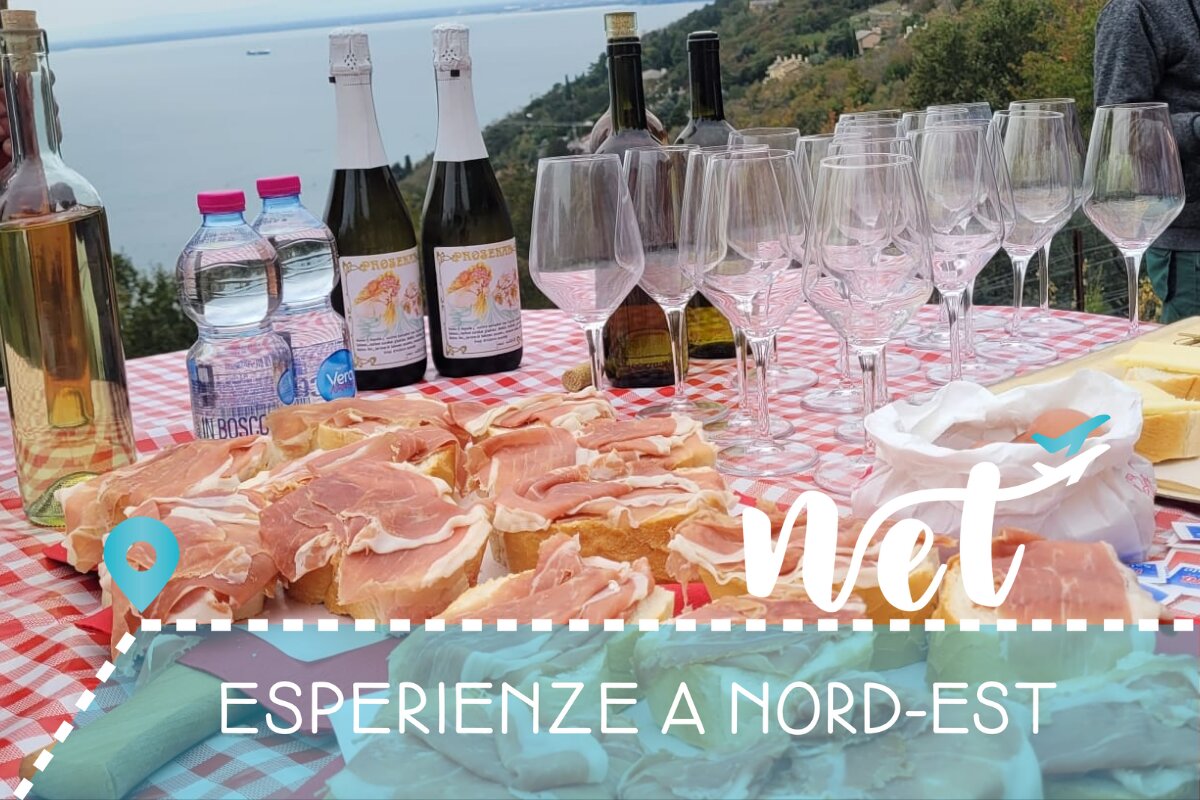
In Friuli Venezia Giulia, food and wine is not folklore. It is cultural structure.
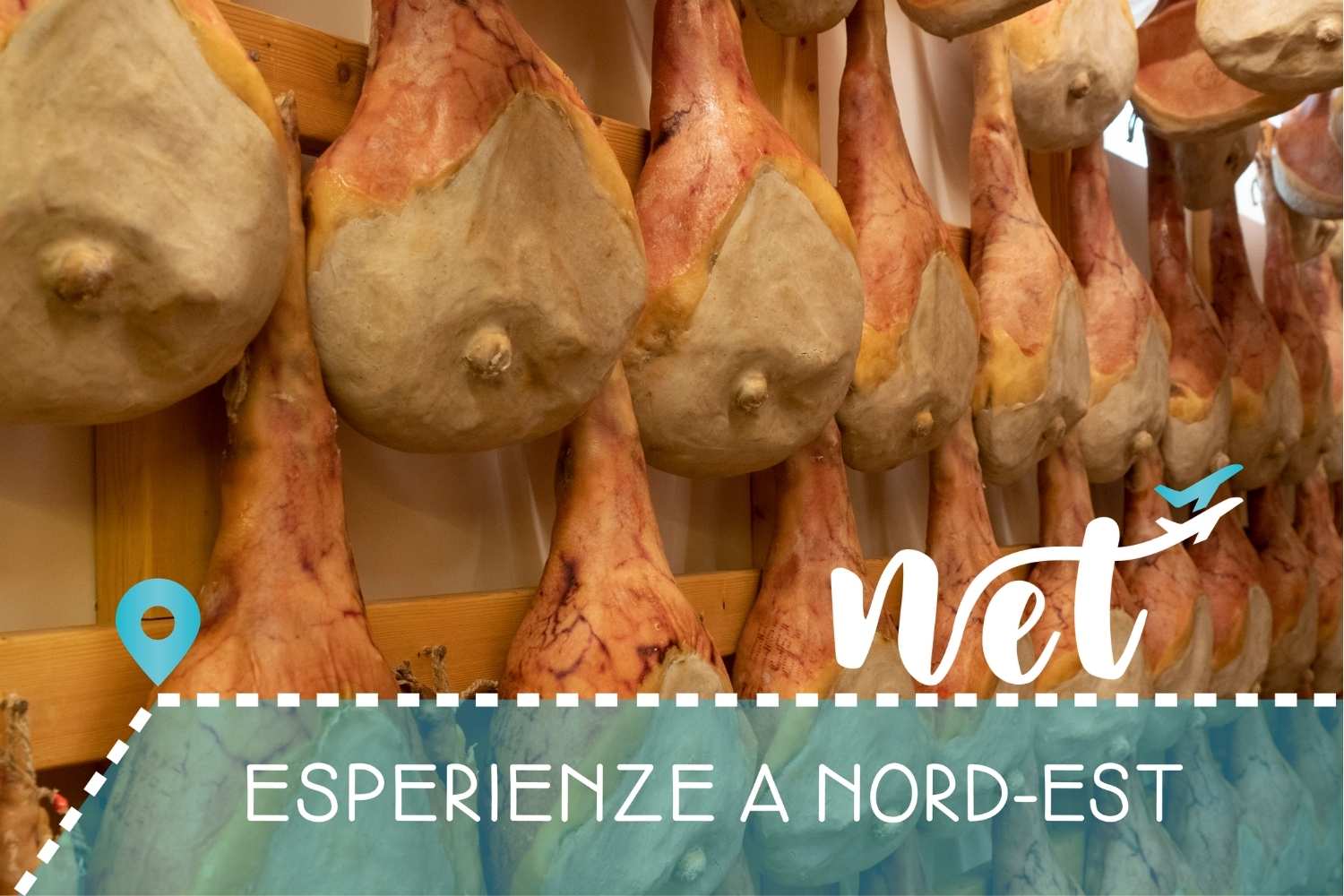
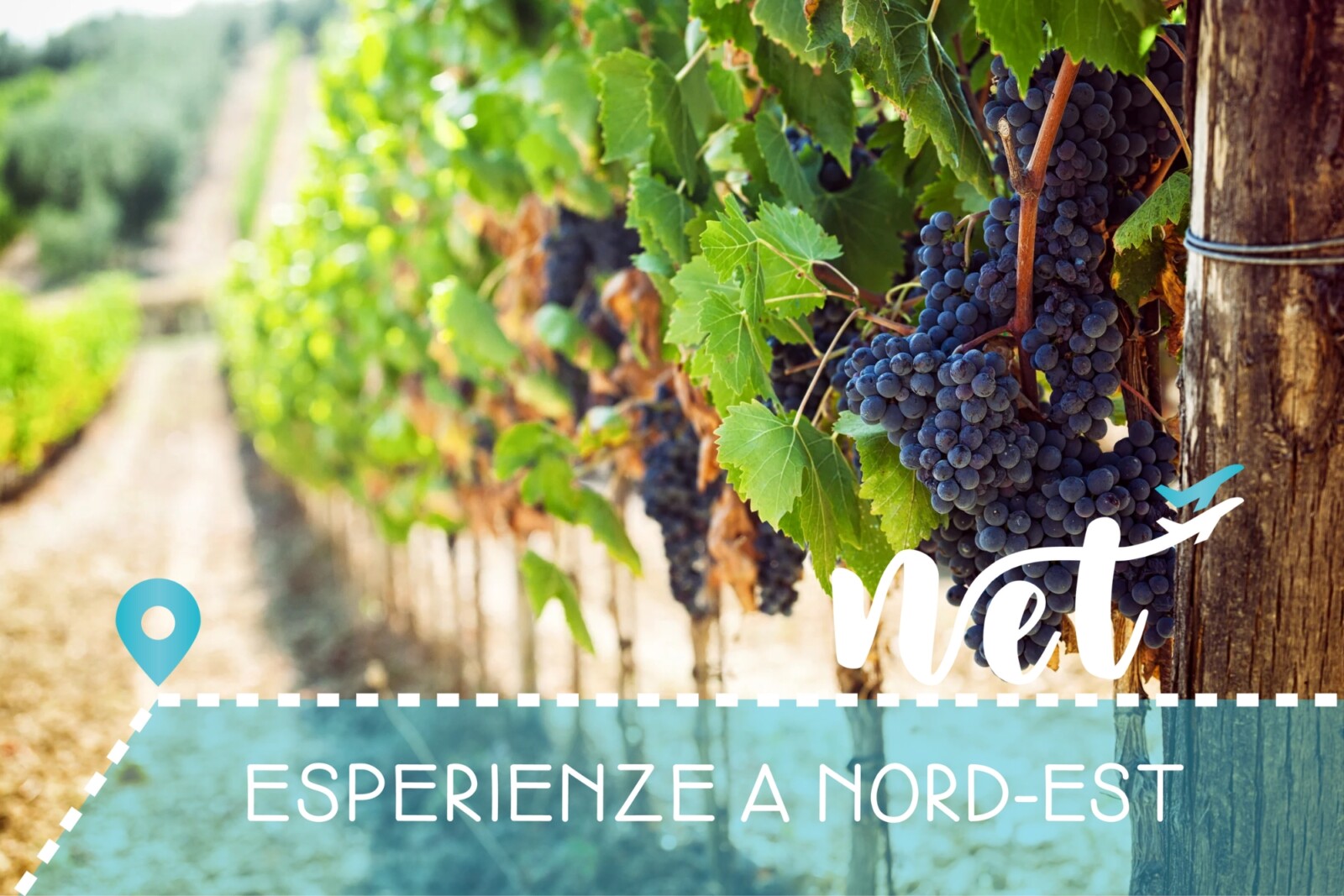
In Collio, tasting is never just technical: it is a dialogue between grape variety, soil and family history. In the prosciuttifici of San Daniele del Friuli, you enter a unique microclimate, where air and weather are part of the production process.
A workshop on frico is not a standardized cooking class: it is an opportunity to understand the mountain economy, the integral use of milk, and the culture of the malga.
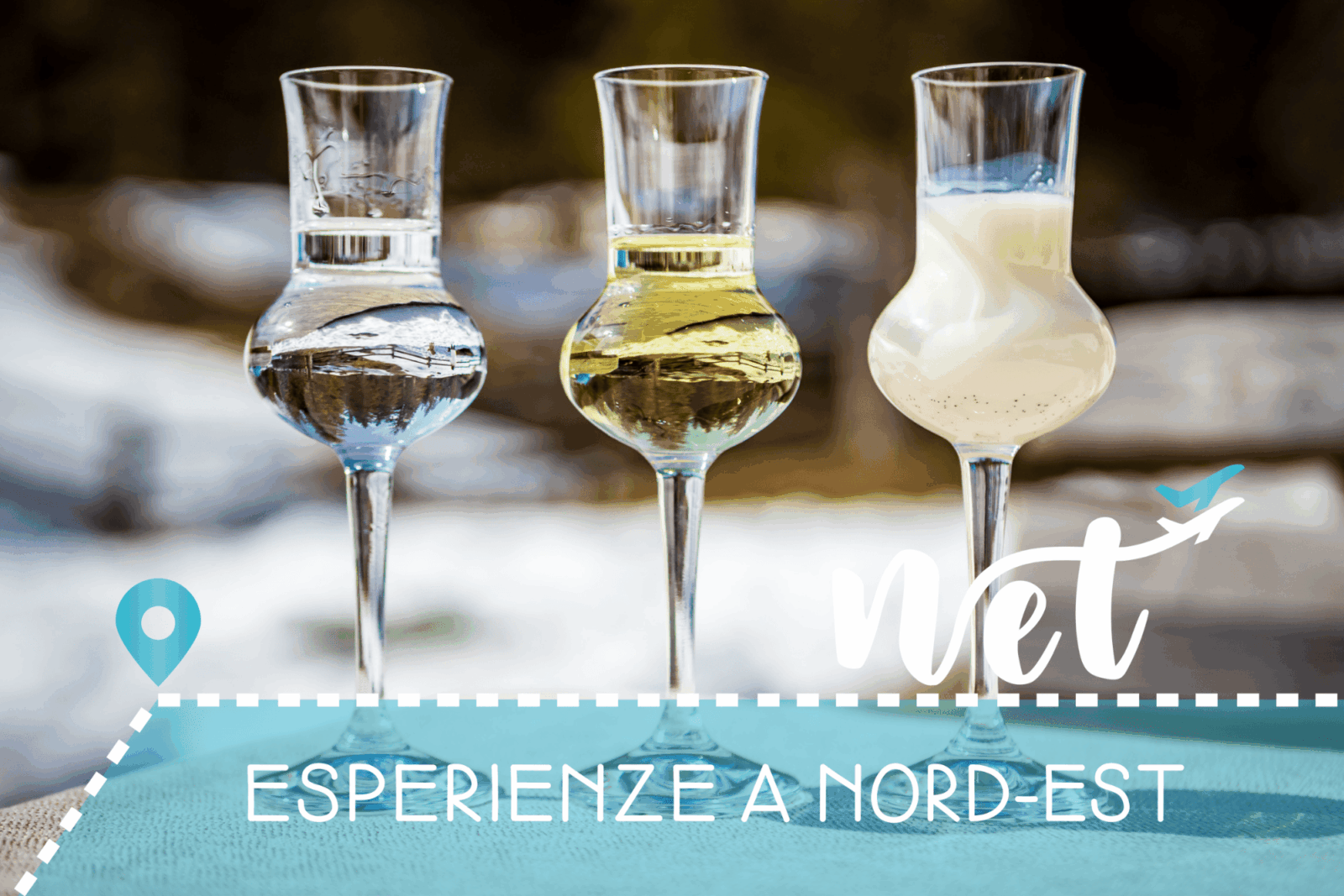
Then there are the encounters with small-scale cheesemakers, tastings of artisanal spirits, and more unexpected experiences-such as a visit to a vinegar factory-that surprise groups already accustomed to structured trips.
For groups and tour operators, this means offering real content, not tourist animations.
Cultural experiences: stratified identities
Friuli Venezia Giulia is a border region. And borders, by definition, are places of overlap.
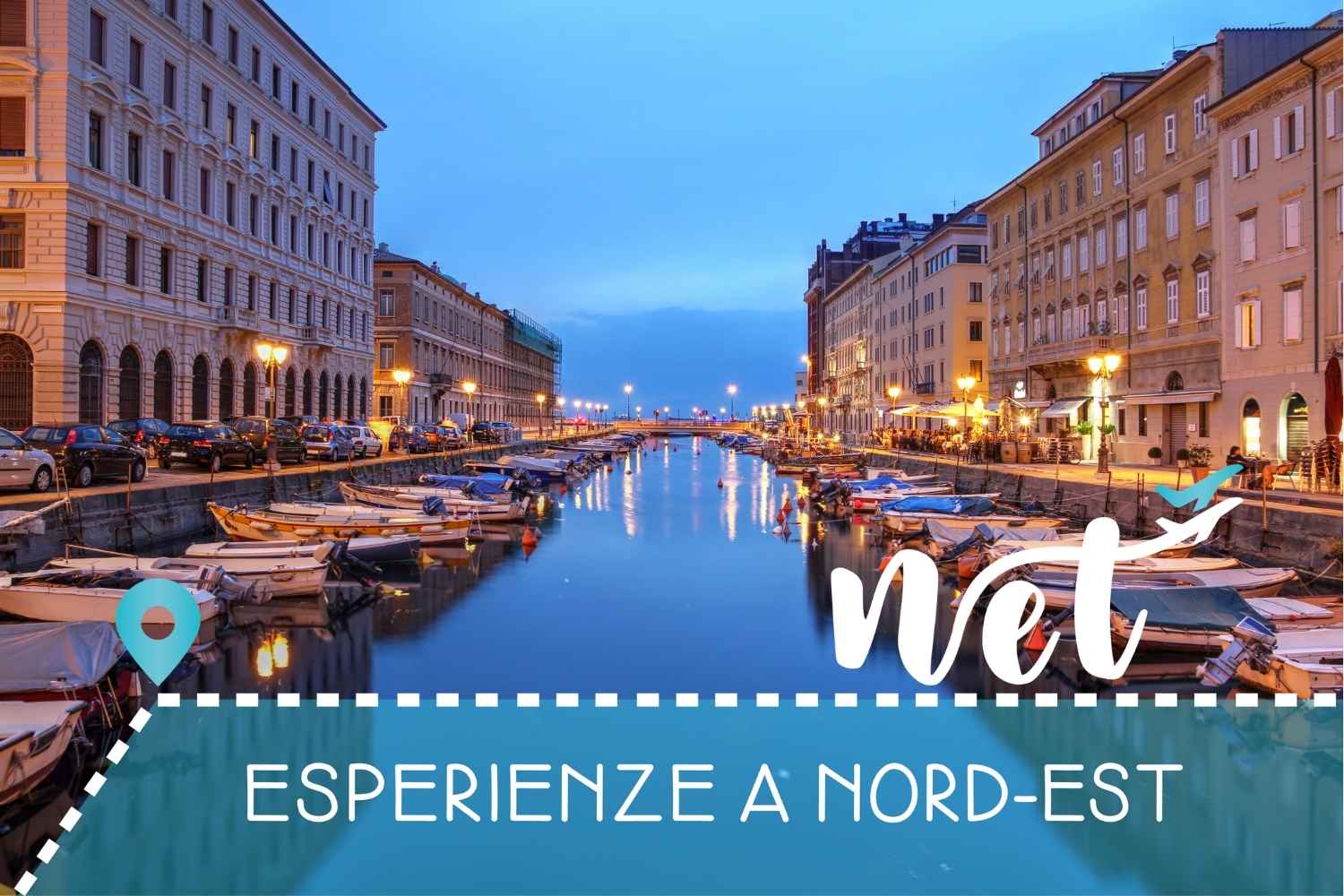
In Trieste, you can feel Mitteleuropa in the historic cafes and Habsburg architecture.
Aquileia preserves one of the most important early Christian mosaic complexes in Europe.
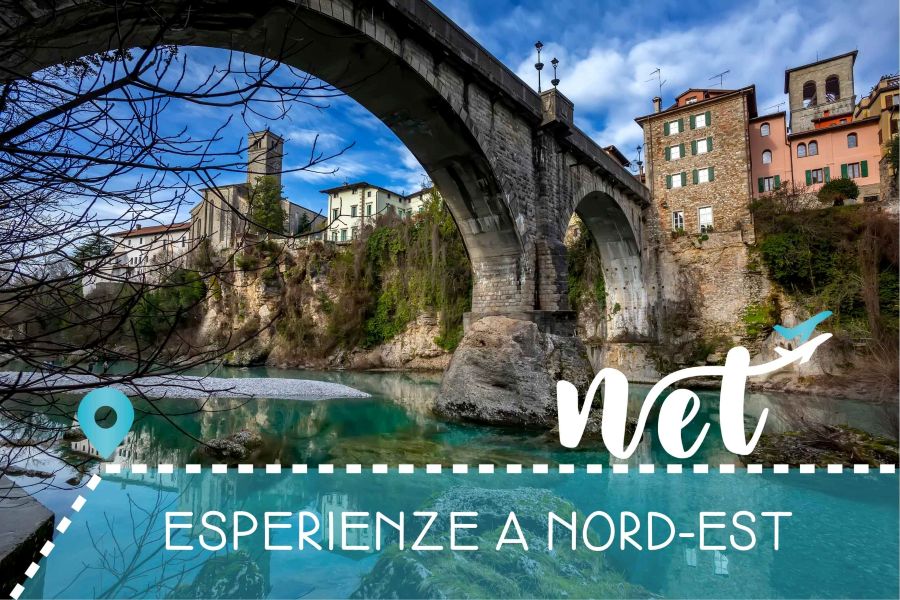
Cividale del Friuli recounts the Lombard season with a rare strength of identity.
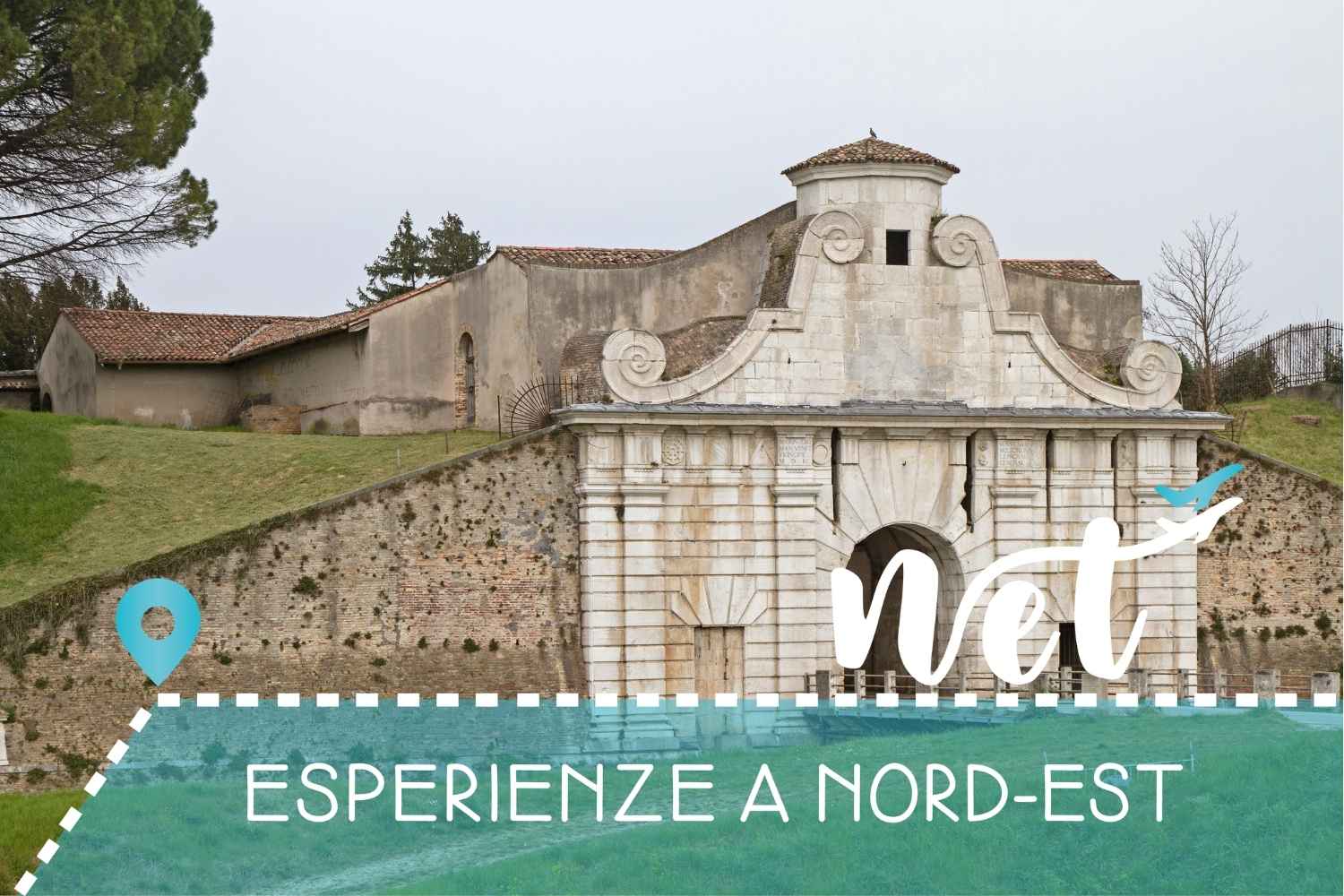
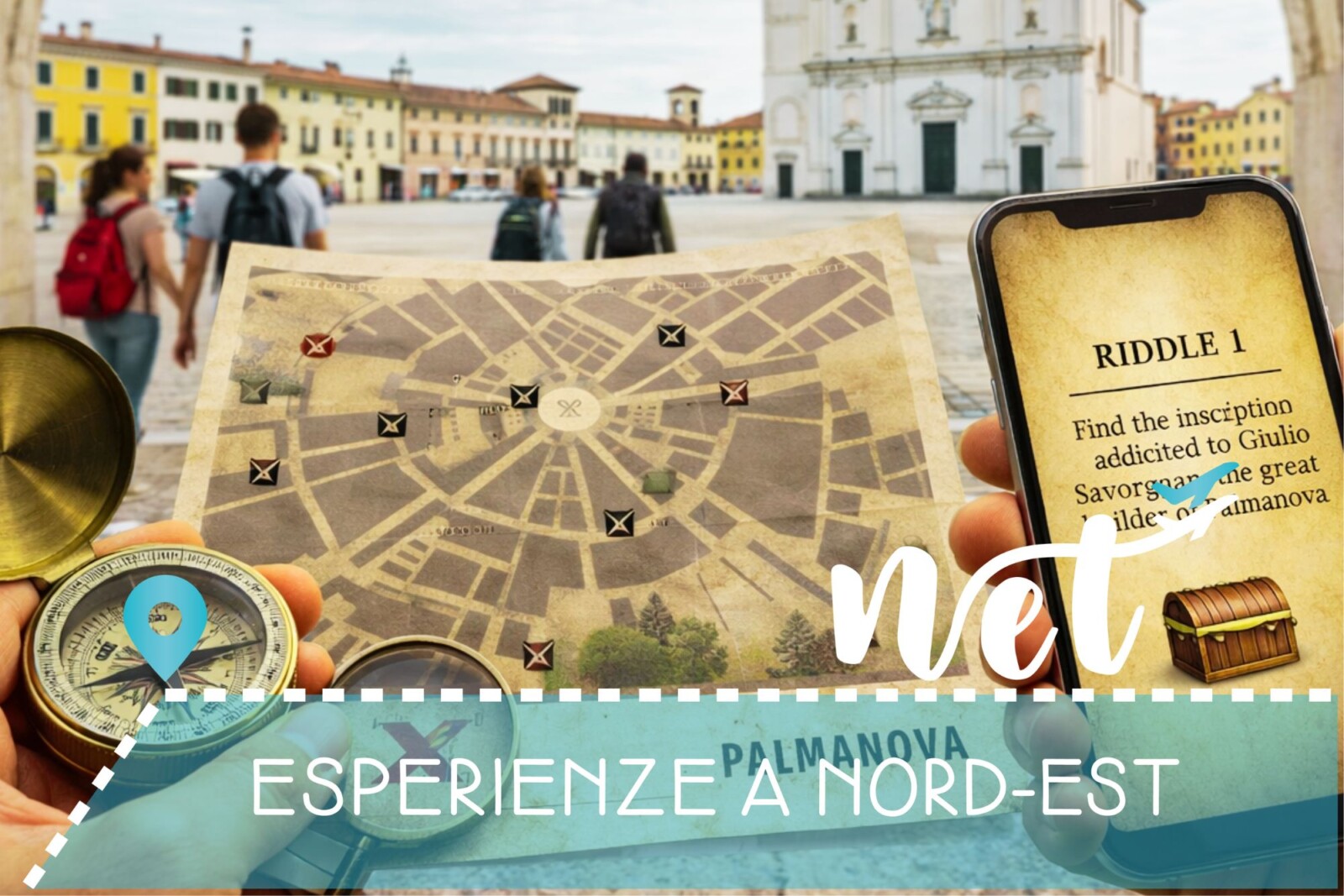
Palmanova is the materialization of a Renaissance idea of a perfect city.
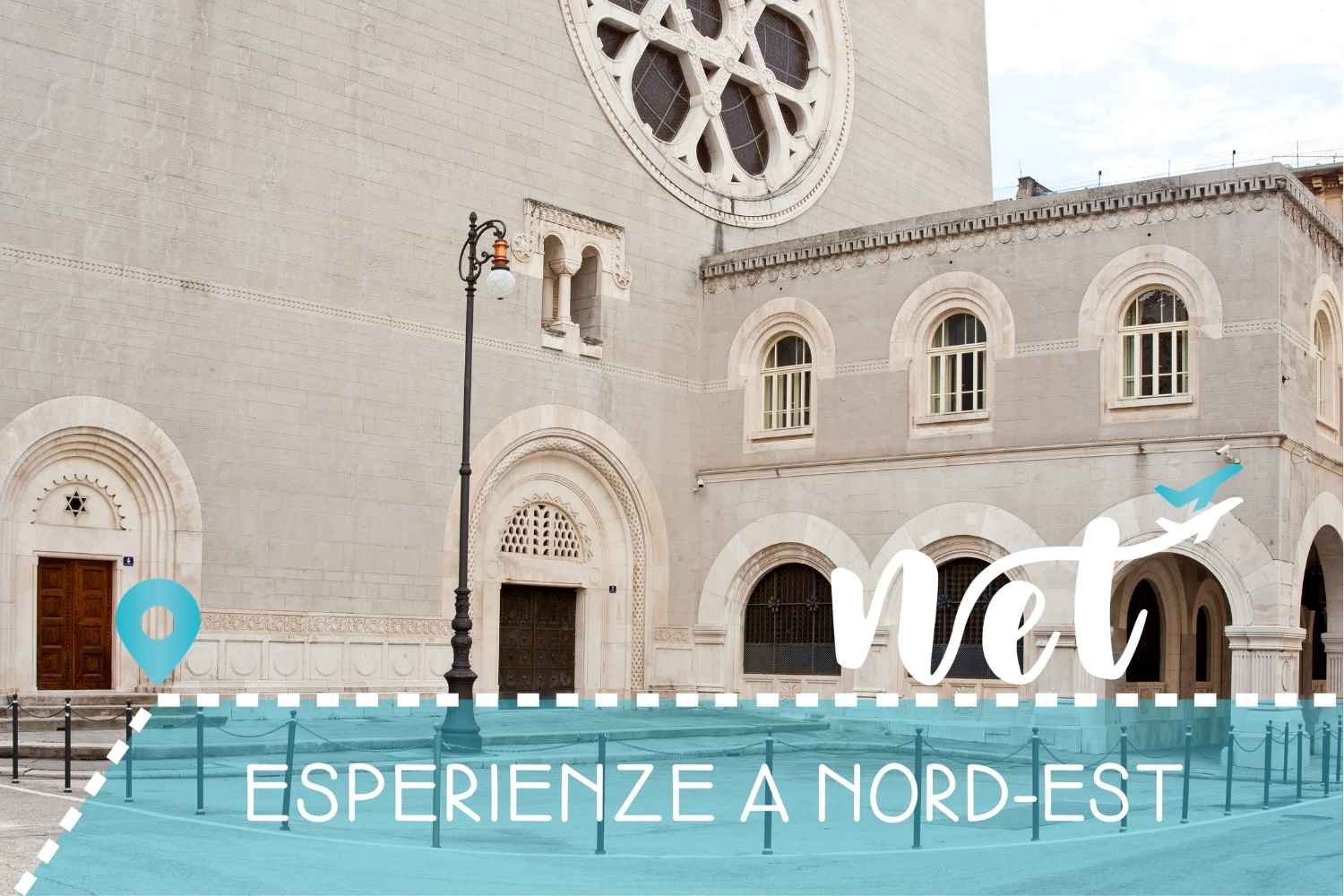
Guided tours, when constructed with depth, become thematic tours: border history, Roman archaeology, linguistic minorities, military architecture, coffee culture, Jewish memory, religious stratifications.
Not just tours, but interpretive readings of the area.
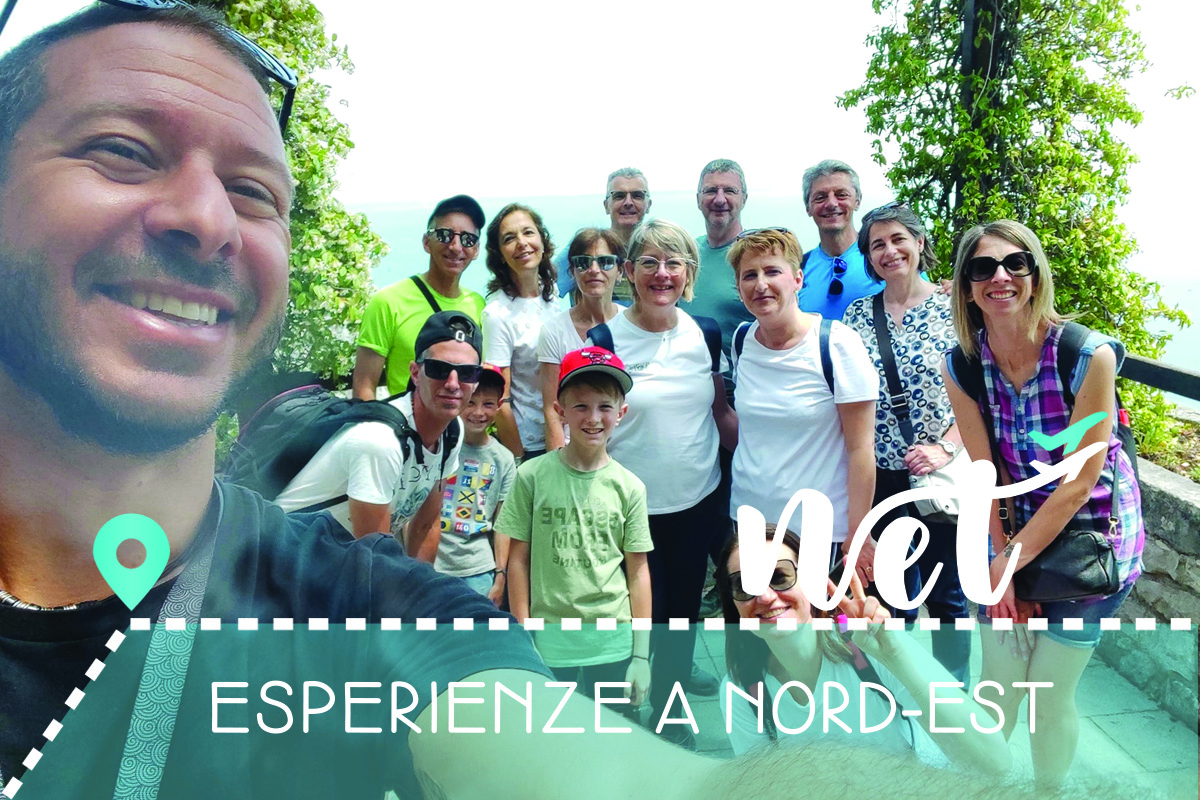
An approach particularly suitable for senior groups, cultural associations, and travelers looking for content, not just views.
Outdoor experiences: a concentrated region
Here the geography is surprising in density.
Within a radius of a few kilometers, one goes from the Adriatic to the Julian Alps, from lagoons to hilly vineyards.
But the outdoors in Friuli Venezia Giulia is not just a sporting activity. It is mode of access to the landscape.
A SUP outing in the Grado Lagoon becomes a slow observation of the ecosystem.
A paddle under the Duino Crags is geological reading before it is marine experience.
Snowshoeing in the Julian Alps is immersion in winter silence, not performance.
Proposals may include:
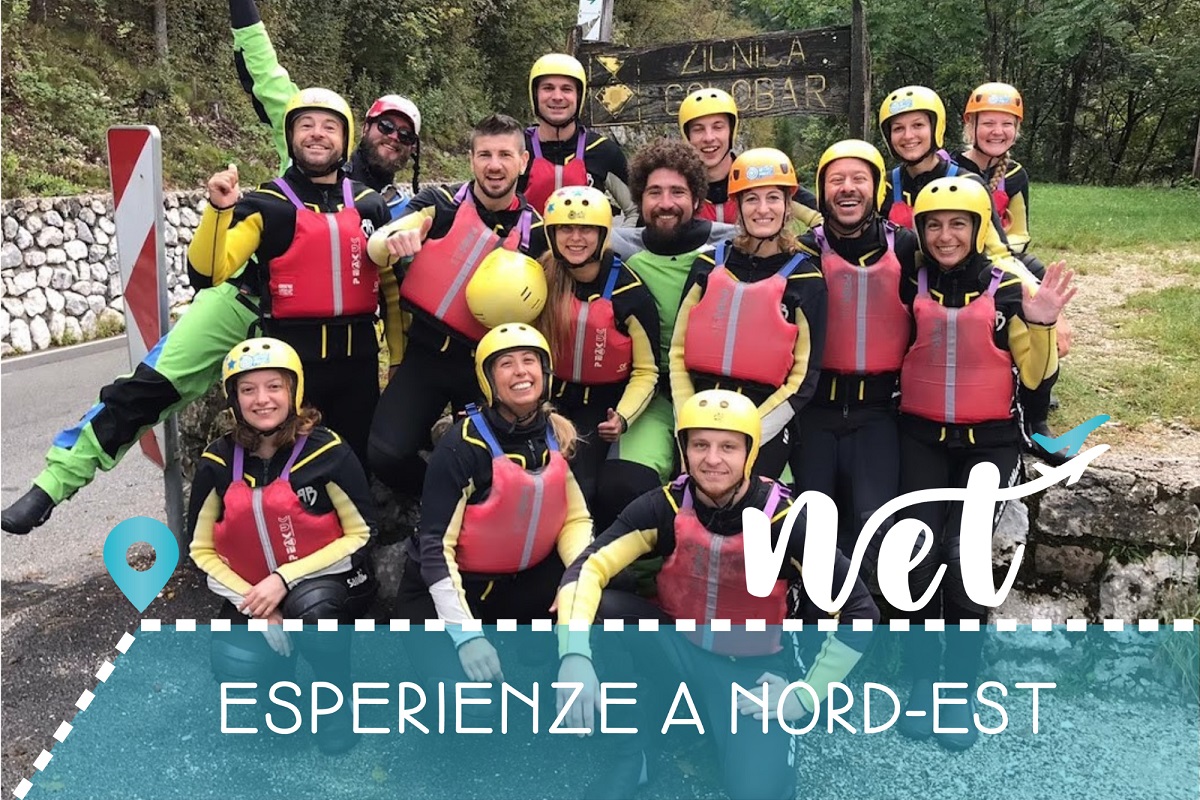
- Kayak trips on crystal clear rivers or in coastal settings
- sailing days between Adriatic and Gulf
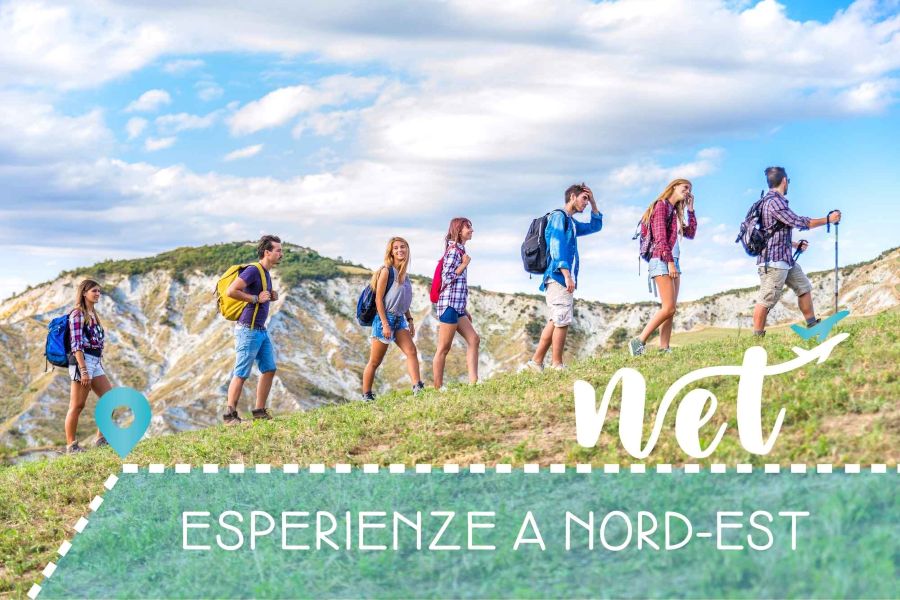
- scenic walks overlooking the sea
- structured alpine itineraries
- guided forest bathing
- slow trails through forests and biodiversity
And for groups who desire an active but accessible dimension:
The added value lies in calibration: pace, safety, seasonality, accessibility for senior groups or associations.
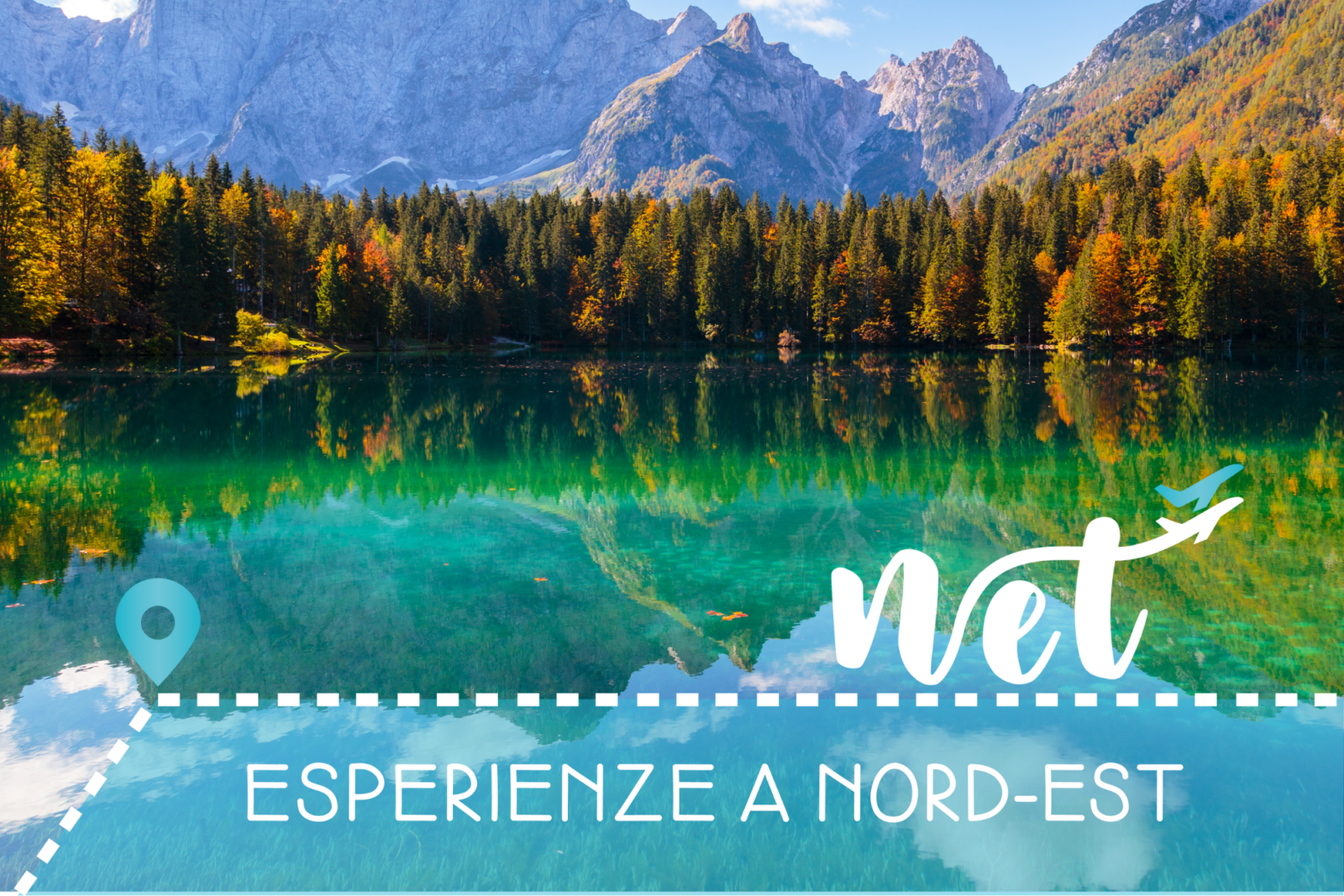
Tailored experiences: designing with method
Each group has its own identity:
timing, budget, cultural expectations, degree of depth.
Therefore, to talk about experiences in the Northeast is to talk about technical design.
Partner selection, narrative consistency, operational management, logistical coordination.
It is not improvised.
Incoming to Friuli Venezia Giulia: local presence
For Italian and foreign operators, having a structured contact person on the ground makes all the difference.
Seasonal knowledge of local dynamics.
Established network of suppliers.
Ability to intervene in real time.
Precise coordination of services and timelines.
These are elements invisible to the traveler, but crucial to the success of a program.
Experiences that remain
The best experiences in Friuli Venezia Giulia are not necessarily the most spectacular.
They are the ones that create relationships.
Those that allow a group to return home with a deeper understanding of the area, its history and its people.
When planning a trip, the starting point is not the list of activities.
It is the experience you want to build.


