Art and museums in Friuli Venezia Giulia: not only Trieste, Aquileia and Udine
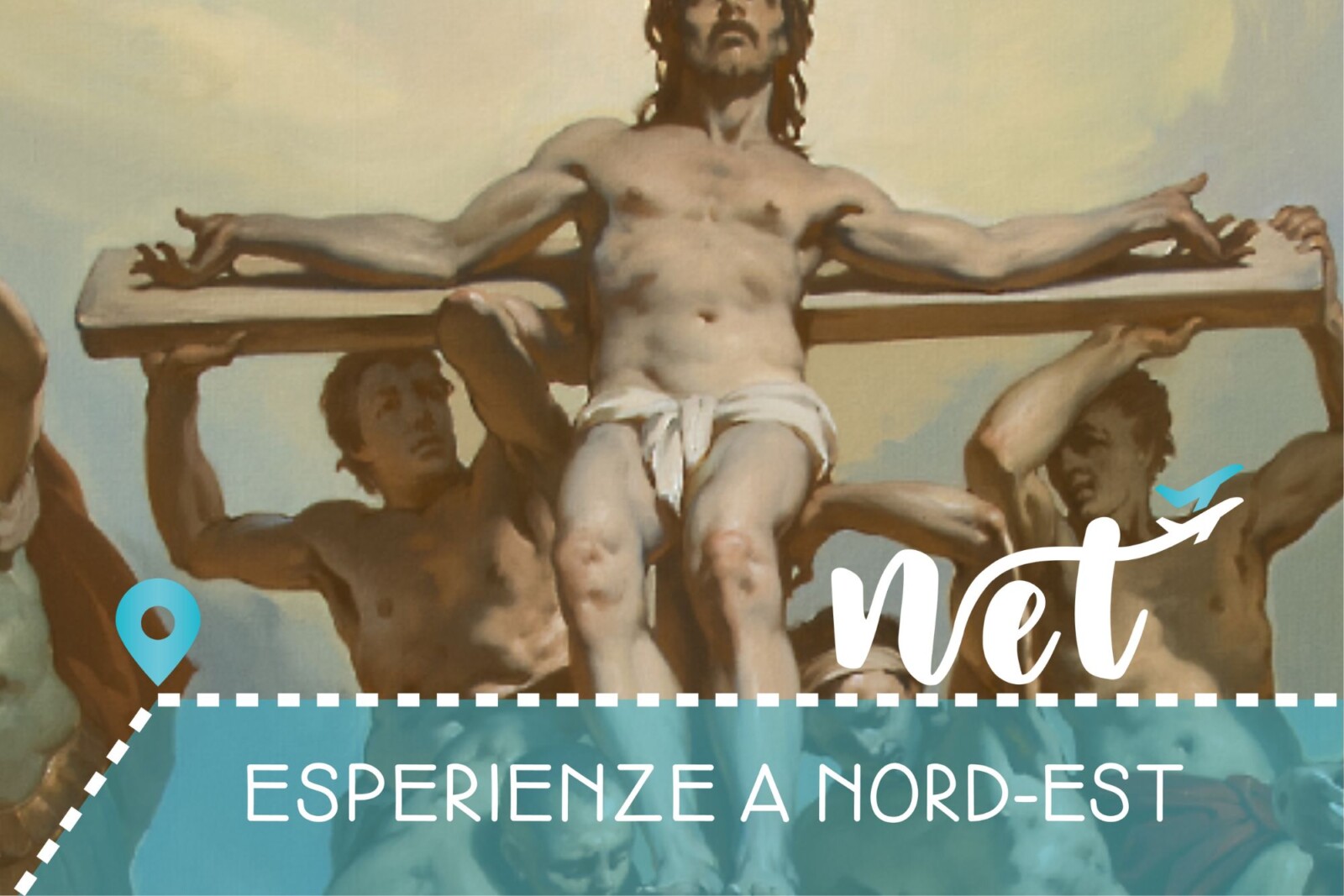
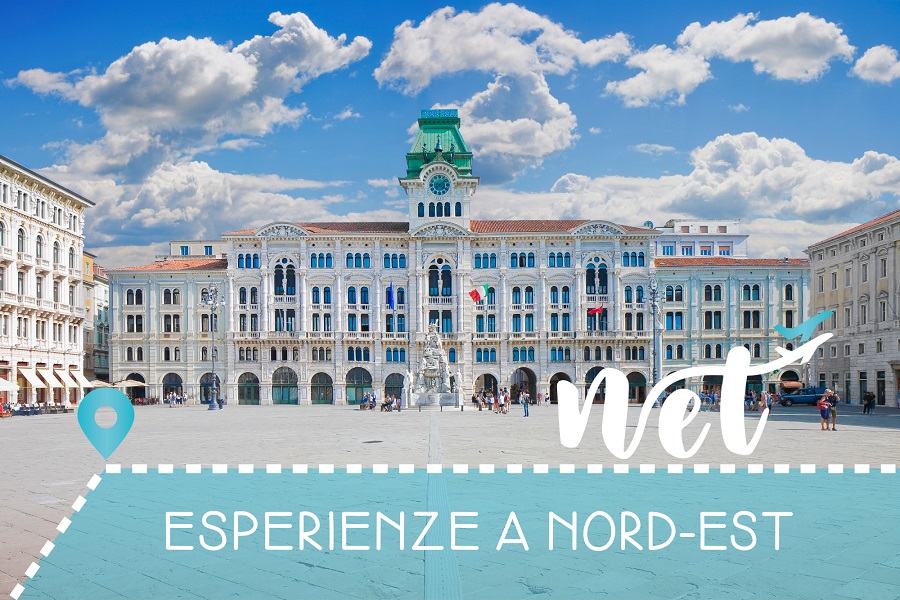
Friuli Venezia Giulia is a border region not only geographically, but also culturally. Here art is born from the meeting of the Latin, Central European and Balkan worlds, giving rise to a surprisingly rich and varied museum heritage. From large city institutions to small villages that have become centers of cultural excellence, FVG is an ideal destination for those who love art in all its forms: from archaeology to contemporary, from ancient painting to temporary exhibitions of international scope.
Trieste: art, collecting and major exhibitions
Trieste is the cultural heart of the region, a city where the Central European tradition is also reflected in its museums.
The Revoltella Museum – Gallery of Modern Art is one of the symbols of art in Trieste. Created through the donation of Baron Pasquale Revoltella, the museum houses one of the most important collections of modern art in Italy, with works ranging from the historic 19th century to the avant-garde of the 20th century. The venue, expanded over time, is itself an example of the dialogue between historic and modern architecture.
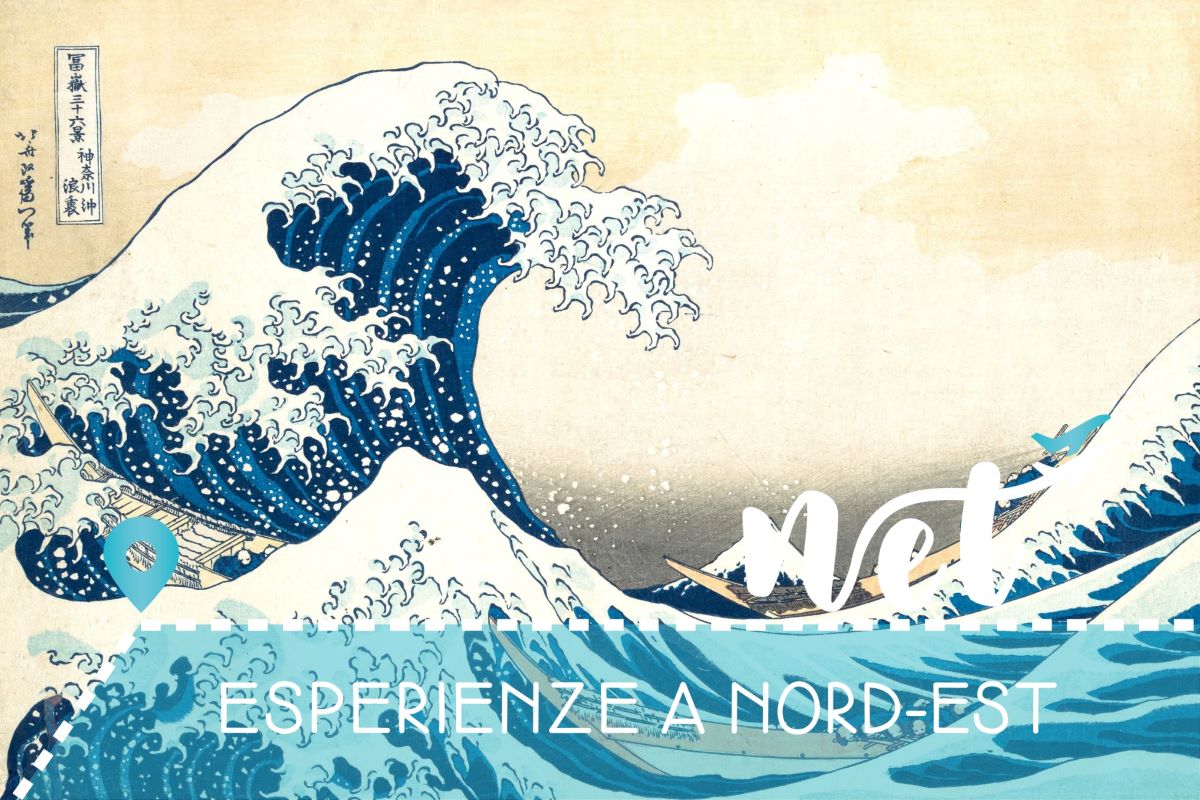
Next to the Revoltella, Trieste’s Museum of Oriental Art tells a different but equally fascinating story: that of trade and cultural relations between the city and the Far East. The collections, which include works from China, Japan and Southeast Asia, make this museum unique in the Italian museum scene.
Trieste is also a city devoted to temporary exhibitions. The Salone degli Incanti, a former fish market overlooking the sea, is now an atmospheric exhibition space that hosts major art, photography and design exhibitions. Not to be forgotten is Palazzo Enrico De Henriquez, home of the “Diego de Henriquez” War for Peace Museum, which often hosts temporary exhibitions capable of interweaving art, history and memory of the 20th century
Aquileia and the MAN: art dialogues with archaeology
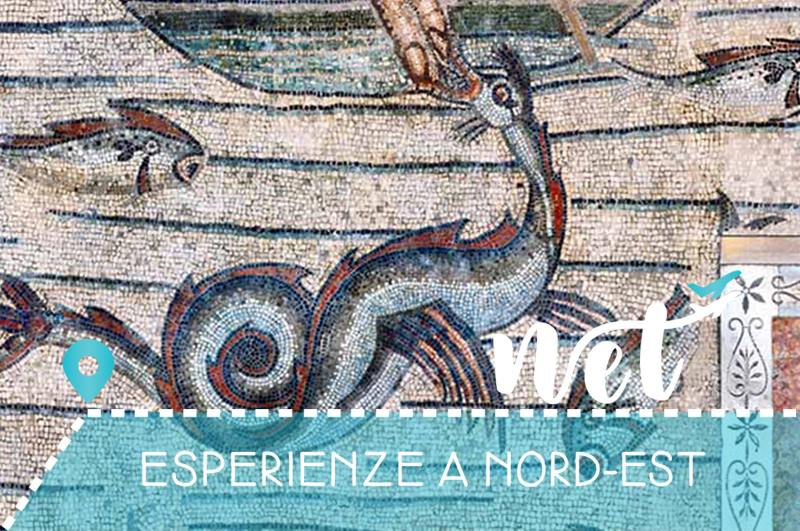
Aquileia, a UNESCO site, is universally known for its extraordinary archaeological heritage. Here the MAN – National Archaeological Museum of Aquileia represents a fundamental step in understanding the history of ancient art in the North Adriatic. The collections, which range from Roman to Late Antiquity, ideally dialogue with the territory, offering a comprehensive view of Aquileia’s cultural and artistic role in the Mediterranean.
Udine: contemporary and grand masters
Udine is the main museum hub in historic Friuli. Casa Cavazzini – Museum of Modern and Contemporary Art is a virtuous example of urban regeneration: a historic building transformed into a contemporary exhibition space. The collections include works by Italian and international artists of the 20th and 21st centuries, with a focus on the avant-garde.
A short walk away, the Tiepolo Galleries instead tell the story of great 18th-century painting. Giambattista Tiepolo’s frescoes in the Patriarchal Palace are one of the finest examples of Baroque art in Italy and are an essential stop for those who want to understand the artistic history of Friuli Venezia Giulia.
Cividale del Friuli: Lombard art and European identity
Cividale del Friuli is a city of art with a strong symbolic value. Its museums, mainly related to the Lombard civilization, tell a fundamental chapter of European history. The Lombard Temple and the Christian Museum are examples of how art, spirituality, and cultural identity come together in a fascinating context.
Villa Manin: great art and international exhibitions
Villa Manin di Passariano, one of the most imposing Venetian villas in northern Italy, is now one of the main exhibition centers in Friuli Venezia Giulia. The residence of the last doge of Venice, Ludovico Manin, the villa hosts temporary exhibitions of international standing, often dedicated to the great protagonists of modern and contemporary art, from photography to painting to 20th-century visual arts. The villa’s wide spaces, monumental main body and barchesse make Villa Manin an ideal venue for large-scale exhibitions, where historical architecture dialogues with contemporary artistic languages. Set in a vast park, Villa Manin is an essential stop for those who want to understand the role of Friuli Venezia Giulia as a cultural crossroads between Venice, central Europe and the Central European world.
Illegio: a small village, great exhibitions
In the mountains of Carnia, Illegio has become a true cultural case over the years. This small village hosts art exhibitions of the highest level, with loans from international museums. The success of Illegio shows how even the smaller towns of Friuli Venezia Giulia can become protagonists of the art scene, offering intimate but high-quality cultural experiences.
Gorizia and Pordenone: borders and contemporaneity
In Gorizia, a border city par excellence, art often reflects the theme of identity and dialogue between cultures. Museums and exhibition spaces tell a complex story, marked by political borders but also by continuous cultural exchanges. From
Pordenone, on the other hand, stands out for its dynamic cultural offerings, with museums and spaces dedicated to modern and contemporary art, as well as a calendar of temporary exhibitions that makes the city one of Friuli Venezia Giulia’s emerging cultural hubs.
Monfalcone: art, industry and contemporary identity
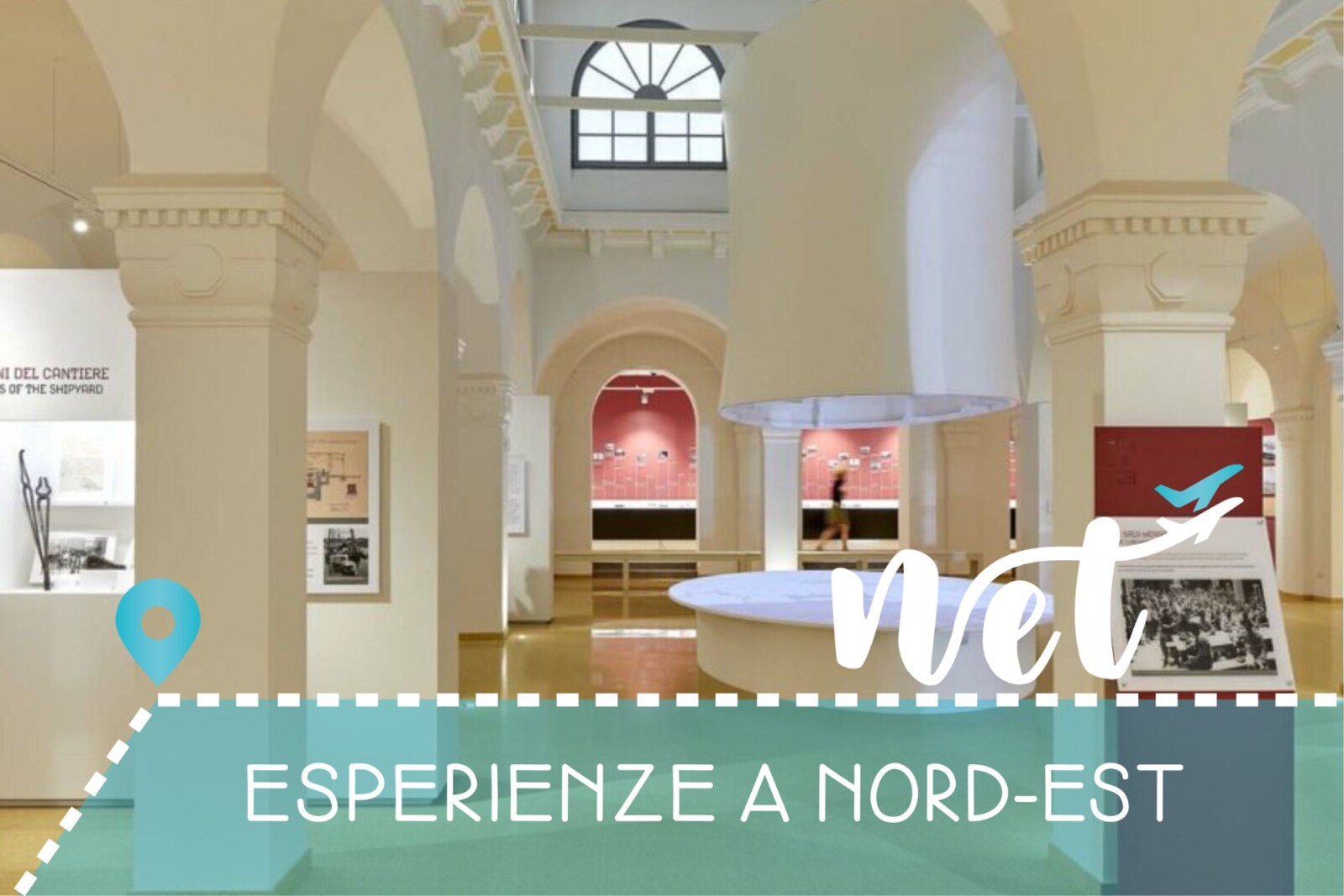
Monfalcone tells an artistic and cultural story deeply linked to labor, the sea and the shipbuilding industry. The Shipbuilding Museum is one of the city’s landmarks: a unique museum that combines historical memory, industrial archaeology and visual storytelling, restoring the central role of shipyards in the economic and social development of the area. Alongside this, city exhibition spaces and temporary exhibitions contribute to enhancing Monfalcone’s contemporary identity, often through projects that weave together art, photography and social testimony. A cultural proposal that enriches the museum landscape of Friuli Venezia Giulia, offering a different but complementary look at the region’s major historical centers.
Other museums and art places not to be underestimated
Alongside the major museum centers, Friuli Venezia Giulia holds a constellation of smaller museums and places of memory that complement and enrich the cultural experience. In Trieste, the Castle of Miramare is not only a historic residence overlooking the Adriatic, but a place where architecture, decorative arts and landscape dialogue elegantly, telling the story of the imagery of the Habsburg court. On the Karst, the Museum of San Martino del Carso offers an intense reading of World War I, through artifacts and testimonies that restore historical depth to an area scarred by the conflict, and in this sense, soon to be opened at the Redipuglia Shrine is the ” Great War Diffuse Memorial” that will collect relics from the Great War.
Why visit the museums of Friuli Venezia Giulia?
Visiting the museums of Friuli Venezia Giulia means embarking on a journey through art that spans centuries and styles, in an area that is still authentic and uncrowded. It is an ideal region for those looking for deep cultural experiences, far from the big tourist flows, but able to surprise with the quality and variety of the artistic offerings.
Whether large city museums or small towns transformed into places of excellence, FVG confirms its cultural vocation as one of the best-kept secrets in northern Italy.